Choosing between a villa vs resort in Thailand for group travel often becomes challenging due to differences in cost, privacy, and overall experience. Both accommodation types appear attractive, but they serve very different travel needs, especially for families, friends, or corporate groups visiting Thailand.
Villas generally offer private living spaces, shared group comfort, and greater flexibility, while resorts provide structured services, entertainment facilities, and convenience. The right choice depends on group size, travel purpose, and budget expectations.
This guide explains all key differences in a clear and simple way. It covers cost breakdowns, privacy levels, facilities, and real examples to help determine which option delivers better value for group holidays in Thailand.
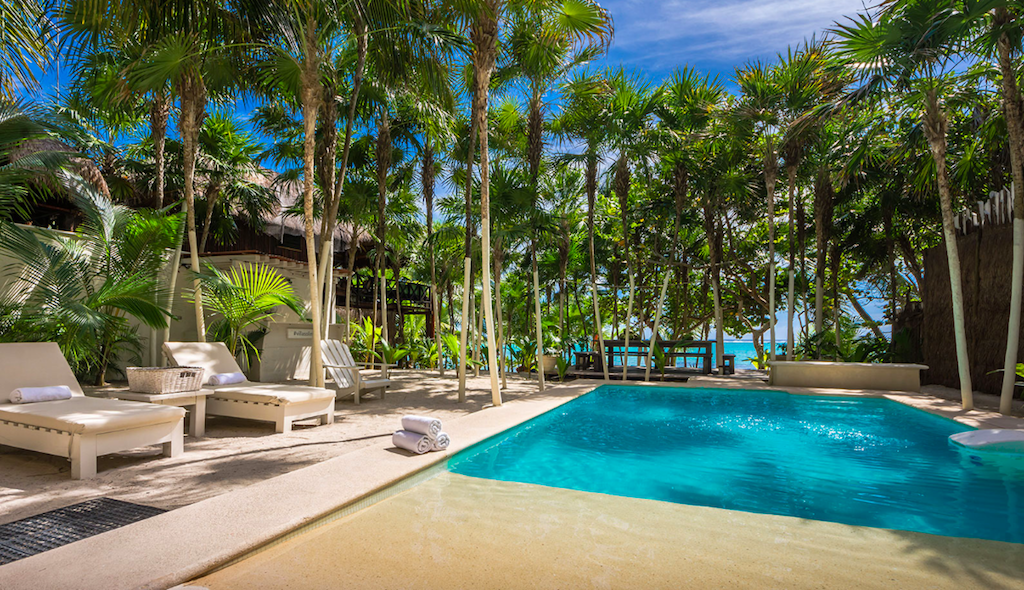
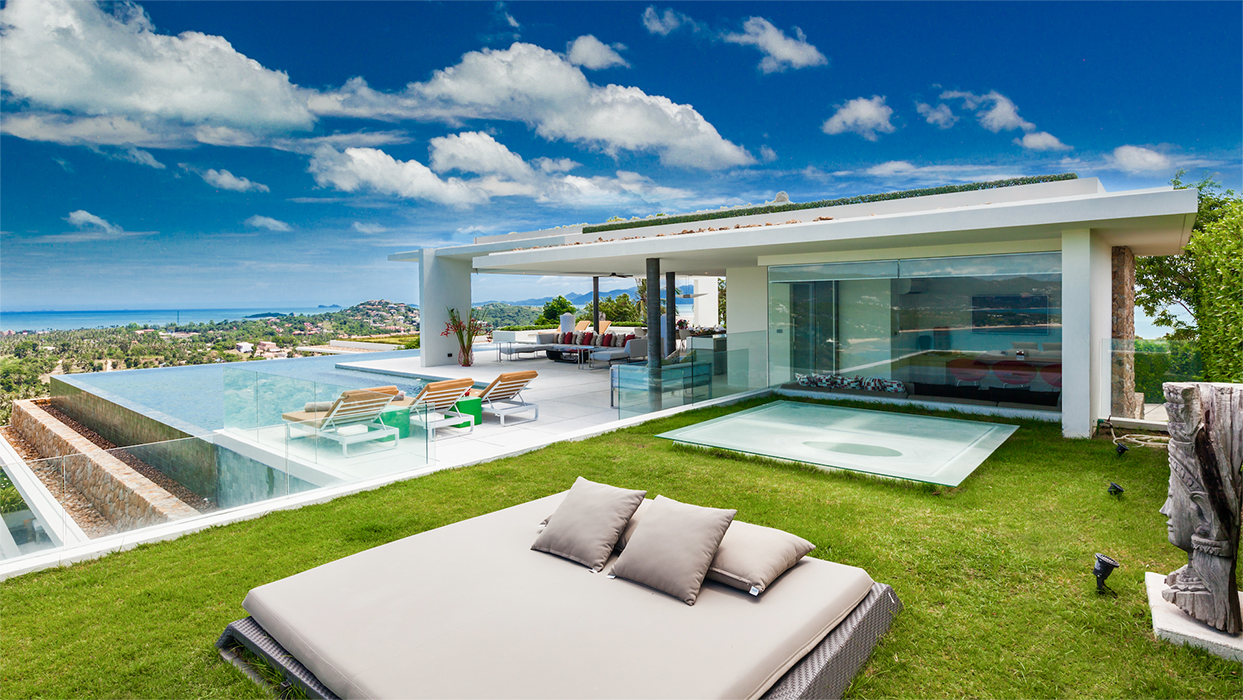
Villas and resorts differ significantly in structure and experience. A villa in Thailand is a private accommodation designed for exclusive group use. It typically includes multiple bedrooms, a private pool, kitchen facilities, and shared living areas. The entire property is reserved for one group only.
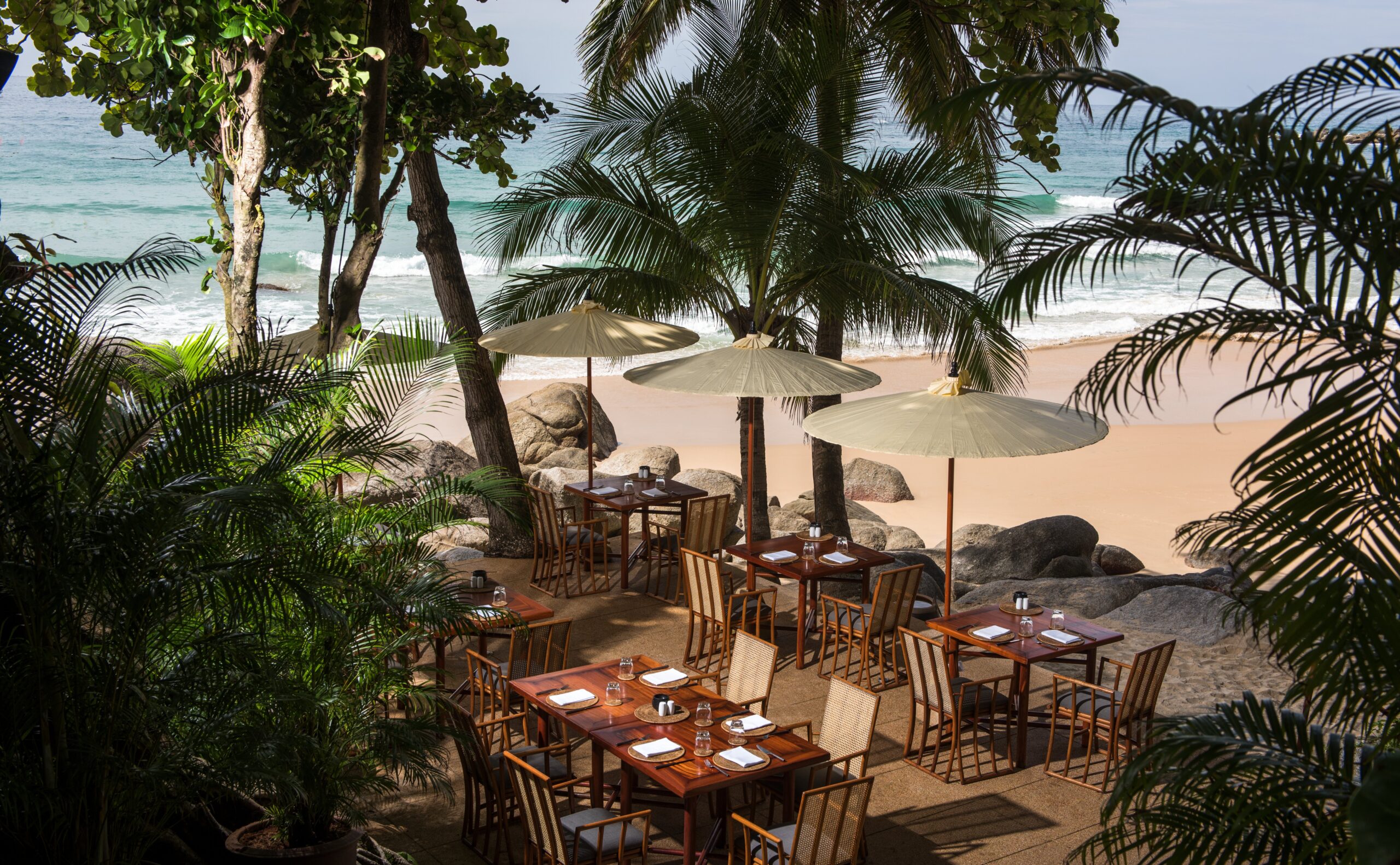
A resort operates as a hotel-style complex. Guests book individual rooms within a shared property. Facilities such as swimming pools, restaurants, gyms, and lounges are shared among all visitors. Resorts follow fixed schedules and service systems.
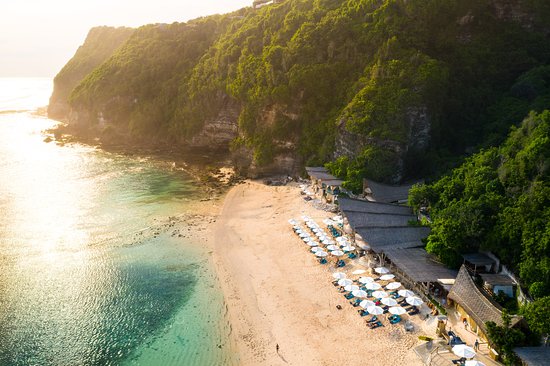
In destinations like Phuket and Koh Samui, both villas and resorts are widely available. Villas focus on privacy and space, while resorts focus on convenience and hospitality services.
The main difference lies in exclusivity. Villas offer a private environment, while resorts provide a social, service-driven experience. This distinction strongly influences cost, comfort, and group satisfaction.
Cost plays a major role in group travel decisions. Villas and resorts use very different pricing models, which directly affect total expenses.
In resorts, each guest pays for a separate room. For large groups, this increases the overall cost significantly. Additional charges for meals, drinks, and services further raise expenses.
In contrast, villas operate on a shared-cost model. One villa accommodates multiple guests under a single booking. For example, let’s say a luxury villa costs $1,800–$2,500 per night and is shared among 10 guests. This reduces the cost per person to approximately $180–$250 per night based on 10 guests sharing.
Villas also reduce food costs. Many include kitchens or private chef services, allowing groups to prepare or share meals. This eliminates repeated restaurant expenses.
Resorts provide convenience but often become more expensive per person for larger groups. Villas generally offer better financial value when occupancy is high, and stays are longer.
Villas become significantly more cost-efficient as group size increases. This concept is often referred to as villa economics.
A 5-bedroom villa in Phuket can comfortably accommodate 8 to 12 guests. The total cost remains fixed regardless of occupancy, making it more economical as more guests share the expense.
In comparison, resorts require separate rooms for each guest. A group of 10 may need five hotel rooms, resulting in multiplied costs per night. Additional expenses for dining and shared activities increase the total budget further.
Villas also reduce operational costs for groups. Shared amenities such as kitchens, pools, and lounges eliminate the need for additional paid services.
For larger groups, villas consistently provide better value due to cost distribution, shared facilities, and reduced per-person expenses.
Privacy is one of the strongest advantages of villas. A villa offers exclusive use of the entire property, ensuring complete separation from other guests. This allows groups to enjoy private pool time, dining, and social activities without interruption.
Resorts, on the other hand, operate as shared environments. Pools, restaurants, and recreational areas are accessible to all guests. This reduces privacy, especially during peak travel seasons.
In villas located in Koh Samui, privacy is often enhanced through secluded locations and private entrances. This makes them ideal for families and groups seeking quiet environments.
Resorts are better suited to social travellers who enjoy interacting and using shared facilities. However, for groups prioritising exclusivity and comfort, villas offer significantly greater privacy.
Villas often include dedicated staff services such as private chefs, housekeeping, and concierge support. These services are personalised and focused solely on the group staying at the property.
Guests can request meals, cleaning, and assistance according to their schedule. This creates a flexible and customised experience.
Resorts provide standard hotel services, including reception desks, room service, restaurants, and organised activities. These services are shared among all guests and operate on fixed schedules.
For example, breakfast and dining times in resorts follow strict timings, while villas allow complete flexibility.
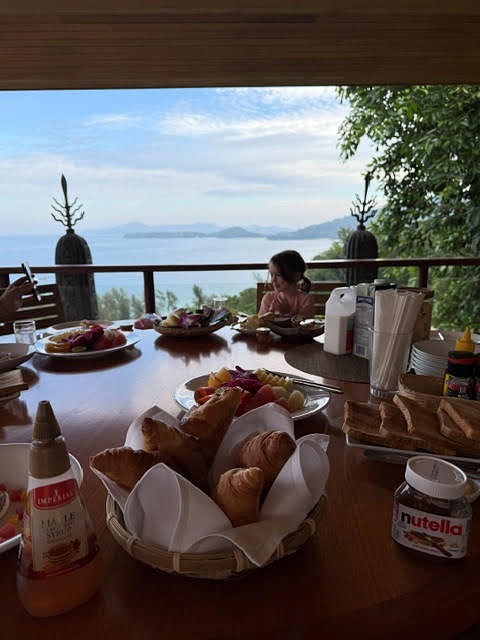
Staffed villas provide a more tailored experience, while resorts focus on structured convenience. Both offer comfort, but villas deliver more personalised service for group travel.
Villas and resorts differ greatly in facility usage. Villas provide private amenities such as swimming pools, kitchens, gardens, and lounge areas. These are exclusively available to the group.
Resorts offer shared facilities, including large pools, spas, fitness centres, restaurants, and entertainment zones. These facilities are accessible to all guests.
Villas encourage group bonding by keeping all spaces private and unified. Guests can cook, relax, and socialise in one exclusive environment.
Resorts provide variety and entertainment options but involve shared usage. This may limit privacy and personal space during peak occupancy.
For group travel focused on connection and exclusivity, villas provide a more controlled and private experience.
Location plays an important role in choosing between villas and resorts. Villas are often situated in quieter, scenic areas that prioritise privacy and natural surroundings.
Popular villa locations include Phuket, Krabi, and Koh Samui. These areas are known for beachfront views, hillsides, and secluded environments.
Resorts are typically located in busy tourist zones. These areas offer easy access to nightlife, shopping, and public beaches.
Villas are ideal for relaxation-focused travel, while resorts are better suited for activity-based holidays. The choice depends on whether privacy or convenience is prioritised.
A practical comparison in Phuket highlights the cost and experience difference for a group of 10 travellers.
In a resort scenario, five rooms are required. At $450–$650 per room per night, the total cost reaches approximately $2,250–$3,250 per night. Over five nights, the total reaches approximately $11,250–$16,250 before dining and extras, excluding meals and additional services.
In a villa scenario, a 5-bedroom property costs approximately $2,000–$2,500 per night. Over five nights, the total cost is approximately $10,000–$12,500, including private pool, chef options, and shared luxury amenities. This includes shared spaces such as a pool, kitchen, and living areas.
The villa option reduces total expenses while increasing shared comfort and privacy. The resort option offers more services but at a higher overall cost.
This example demonstrates the financial advantage of villas for larger groups in Phuket.
● Full privacy
Villas give complete private space for your group. You do not share the property with strangers. This makes the stay more relaxed and personal. You can enjoy pool time, meals, and activities without interruptions.
● Lower cost per person
Villas become more affordable when more people join. The total cost is split among the group. This reduces the per-person price a lot compared to booking multiple hotel rooms.
● Shared group space
Villas are designed for group bonding. You get a living room, dining area, garden, and private pool. Everyone stays under one roof. This creates a strong group experience.
● Flexible schedule
There are no strict timings. You can wake up late, cook anytime, or swim at night. Everything works on your group’s schedule.
● Less structured entertainment
Villas do not have on-site restaurants or organised group activities in the way resorts do. Entertainment is self-directed, which suits independent travellers but requires some planning for excursions, dining out, or group activities beyond the property.
Note that many VillaGetaways luxury villas include a private gym. Check individual listings for gym availability when this is a priority for your group.
● Meal planning required for some villas
The majority of luxury villas in the VillaGetaways portfolio include a private chef as part of the rental. For properties without a dedicated chef, villa managers can arrange catering services, private dining delivery, or grocery stocking before arrival. Confirm chef inclusion when reviewing your shortlist.
● Easy booking
Resorts are simple to book. You just select rooms and check in. Everything is managed by the hotel system.
● Many facilities
Resorts offer swimming pools, spas, gyms, and activity areas. You get many options without leaving the property.
● Restaurants on-site
You can eat anytime at resort restaurants. There are usually multiple dining options available.
● Higher cost for groups
Each person needs a separate room. For large groups, this increases the total cost quickly.
● Less privacy
You share pools, dining areas, and spaces with other guests. This reduces privacy, especially for big groups.
● Shared spaces
Common areas are always busy. You may not get full control over space or timing.
Villas are best suited for large groups such as families, friends, and corporate teams. They provide shared living spaces, privacy, and cost efficiency.
Resorts are more suitable for small groups or couples. They offer convenience, entertainment, and easy access to services.
Groups seeking bonding experiences benefit more from villas. Groups preferring simplicity and organised services find resorts more practical.
Resorts are more suitable when:
● Group size is small
● Stay duration is short
● Full-service experience is preferred
● On-site dining and entertainment are important
Resorts reduce planning requirements and offer a structured travel experience, making them ideal for short and simple holidays.
Villas are the better choice for large groups. They provide privacy, shared space, and better cost efficiency. They also create a more personal and relaxed experience. Resorts are better for small groups or travellers who want full service and convenience. They are easy to book and require no planning.
In Thailand, villas often give better overall value for group travel. Resorts still remain a good option for short and simple trips. The final choice depends on your group size, budget, and travel style. Both options work well, but villas usually win for group value.
Yes. Villas are usually cheaper per person for large groups because the total cost is shared among more people.
Yes. Villas are very good for families. They offer privacy, space, and a safe environment for kids and adults.
Villas are best for groups of 6 to 16 people. This size gives the best balance of cost and comfort.
Many luxury villas include staff such as housekeepers, private chefs, and concierges. Some villas offer optional services.
Villas are better for privacy and value. Resorts are better for convenience and services. The choice depends on your group’s needs.

We will send you hand picked properties matching your preferences